Looking at the broad-brush history, it’s easy to peg Seven Mary Three as one of the most popular rock bands of the grunge era. Commercially, the group peaked early with 1995’s “Cumbersome” – one of the definitive hits of the mid-1990s moment when alternative rock was the mainstream.
And yet that’s just a narrow and not terribly representative slice of Seven Mary Three’s seven-album catalog, which shows influences from the likes of Tom Petty and especially R.E.M. A self-described “band nerd” who played saxophone in middle-school band, frontman Jason Ross calls R.E.M.’s Michael Stipe “my high school hero.” That put Ross and his fellow Seven Mary Three guitarist Jason Pollock at opposite musical poles when they started playing together.
“Before we met, he was trying to learn Slayer riffs while I thought we’d be The Indigo Guys,” Ross says with a laugh. “We found a common ground in the burgeoning sound of Seattle as it filtered down to the South.”
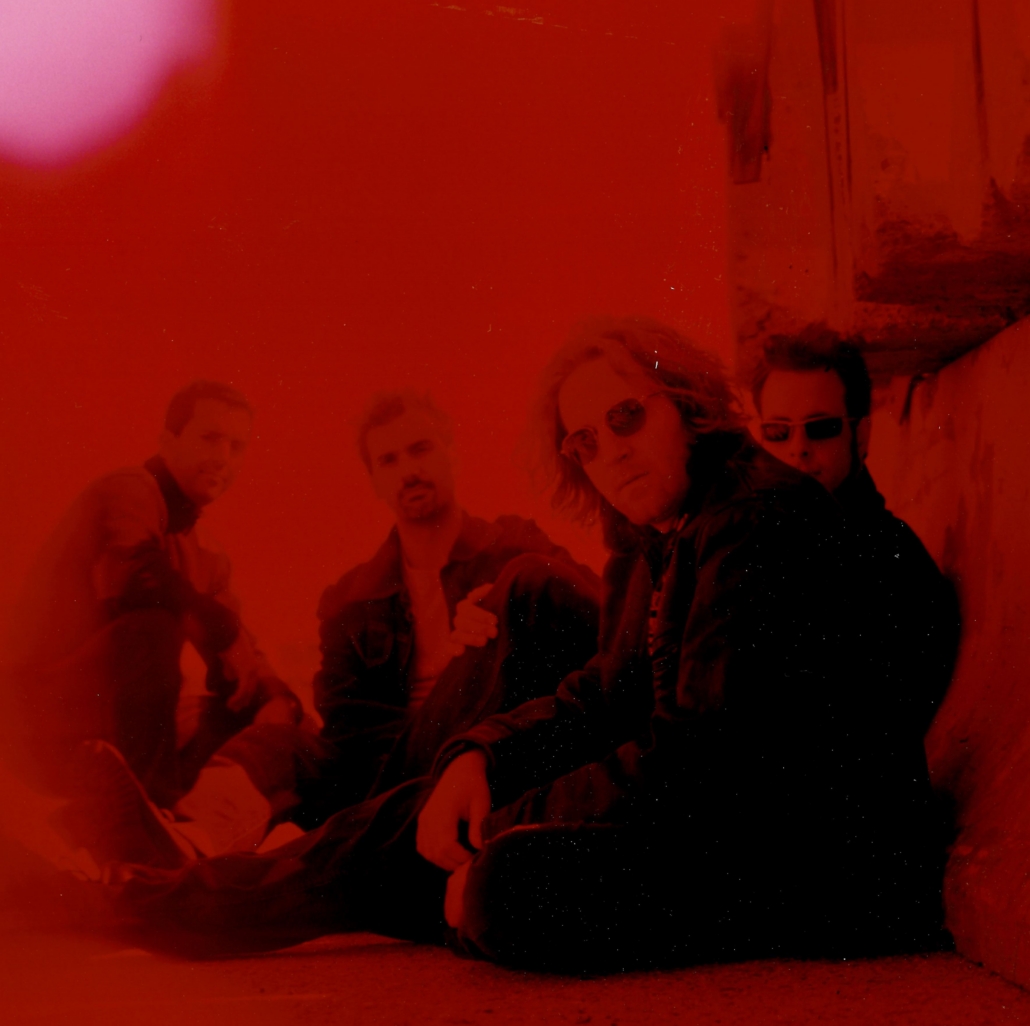
Seven Mary Three’s original lineup included bassist Casey Daniel (who Ross knew from high-school days in Florida) and drummer Giti Khalsa. The two Jasons and Khalsa met at the College of William and Mary in Virginia, forming a band in 1992. It was the grunge era’s early peak, Nirvana was in the air and Seven Mary Three had the right sound to fit in as they hit the road between classes.
“When grunge broke through on the radio, I was the right age with the right shit happening,” Ross says. “My parents were separated and I was an angry 17-year-old. When the band was first getting going, we would leave on Thursday to gig up and down the East Coast from D.C. to Florida and back, then be back to school Monday morning,” Ross says. “9:30 Club, The Boathouse, Flood Zone, Trax. We played ’em all.”
By 1993, the band had adopted the name Seven Mary Three (from police-radio jargon on the 1970s TV series “CHiPS”), and the band had written enough material to make a record. That would be the group’s debut LP “Churn,” independently released in 1994.
Of note were the album’s two opening tracks, which would come to define Seven Mary Three. One was “Water’s Edge,” later a good-sized radio hit on mainstream and alternative rock radio. And the other was “Cumbersome,” an even bigger hit that even cracked the pop top-40. At the moment of creation, however, it was not at all obvious what a calling card “Cumbersome” was going to be.
“We wrote that song one afternoon over a couple of hours, Pollock playing the opening riff as we went through it over and over,” Ross says. “We had no idea. I think the word ‘cumbersome’ just popped into my head because it seemed so ridiculous, but it scanned well at that moment. The first time I heard it on the radio was a feeling I’ll never forget. Hearing something we’d recorded in a guy’s basement in Charlottesville on a car radio seemed like magic. When I hear it now, I’m either laughing because I still pinch myself, or I have to change the channel.”
“Cumbersome” and “Water’s Edge” both picked up enough radio exposure as independent releases to draw label attention, and Seven Mary Three signed to Mammoth Records, a well-regarded label with distribution via Atlantic Records. Re-recorded versions of both songs appeared on the band’s 1995 Mammoth release “American Standard,” which reached No. 24 on the Billboard 200 and sold a million and a half copies. That launched the band on an endless round of touring and promotion that went on for years.
“We were very young and green and naïve,” Ross says. “But it was a blast. Nothing other than being in the military would have let me see as much of the world as I did. It was an interesting time to be in a rock band because there were no other ways to communicate with fans other than getting out there to play. We played on TV, performed at radio festivals every weekend – in Oklahoma City one day, St. Louis the next, five or six days on and one or two off for years in the cycle. That was an exhausting blur.”
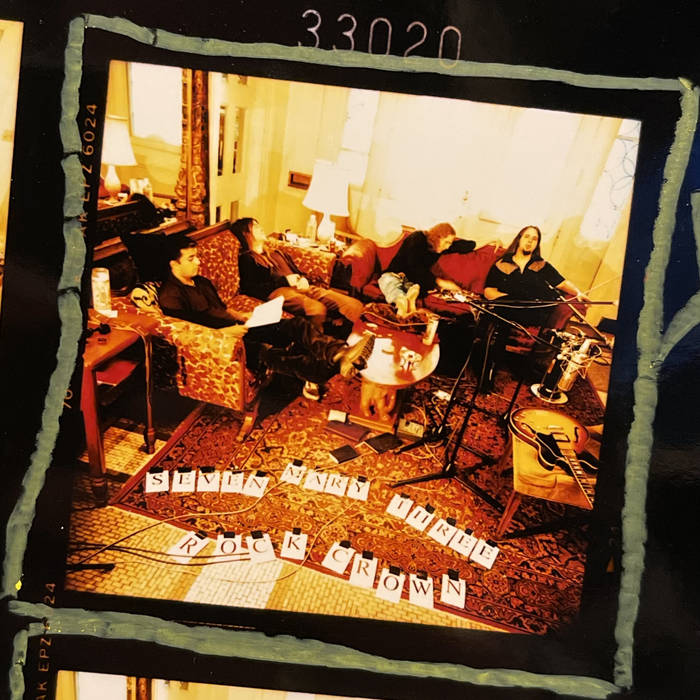
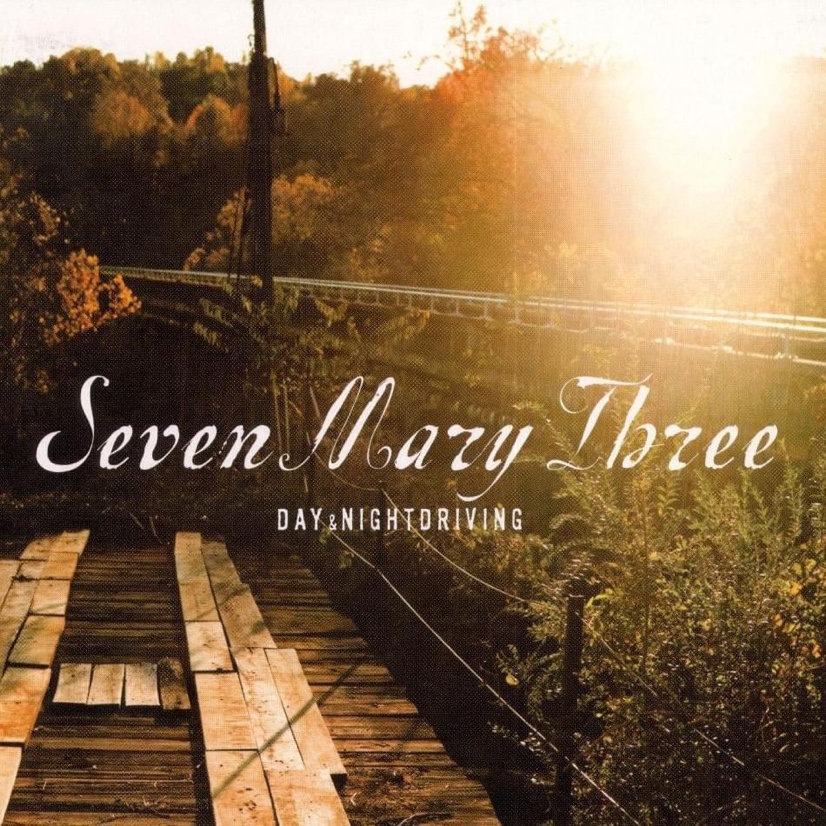
At the same time, Seven Mary Three had a growing identity crisis, struggling to reconcile commercial demands with following the muse. Atlantic Records released the “American Standard” followups “Rock Crown” (1997) and “Orange Ave.” (1998), neither of which duplicated their early sales success. The lineup began to splinter and Ross enlisted replacements for 2004’s “Dis/Location,” 2008’s “Day & Nightdriving” and 2010’s live “Backbooth.”
“By the time ‘American Standard’ came out, we had moved so far past it,” Ross says. “Early on, I felt like we were too close to our own influences. But what compelled us to continue was the fans who showed up to enjoy it.”
The band went on hiatus in 2012, after which Ross worked a series of jobs including seven years for The Bowery Presents in New York City (“I got to see every band ever, a real education,” he says). And while Seven Mary Three has regrouped periodically over the years, Ross’ main musical focus is on his first solo album. It should be out in the fall of 2025, and he says it will surprise people.
“Stepping away from making music to focus on the business of music for a while, I was able to come back to it in a way that felt like I hadn’t lost what did the most for me,” says Ross. “As soon as I started making music again, life got better – work, marriage, everything. Nervous as I am about getting a toe back in the water, the farther out I swim the better it is. I’m glad to come back to music not feeling like I’m retreading. I feel like I’m still learning. I always wish I could get everyone to hear what it sounds like in my head. I’m not there yet, but I’m getting closer and it feels like progress.”